


Hey there! My name is Erica and I’m here to help you choose the best floor scrubber for your hard earned budget. I’ve helped more than 2000 local and family businesses in your communities fix their dirty floors fast and easy. I know I can help you too! I’m always ready to help.
I specialize in family businesses with valuable time and no $$$ to waste. I have many hundreds of happy clients with Ag barns, fab shops, cleaning companies, warehouses, manufacturing facilities, retail stores and more. You can read a handful of their actual testimonials below. Soon, I’ll work my hardest to deliver 5  service and earn yours too.
I promise to make your needs and questions my priority. I will value your budget and most of all your time. I have a passion for business and learning. I will use that for you. I am a mom of 3 busy little kids and I run a small business. I know how valuable time is and I won’t waste yours.
Fill out our form above and you’ll get right to me. The form answers the basic questions we’ll discuss and it will help me know exactly how and what you need to get your perfect value package going today. If you don’t like forms, no worries just, hit the chat box on the side below or give me a call at the number on top. I’ll get right with you and we’ll get you the right floor machine with the right value package today.
If I’m not able to get off a call in time or I’m dealing with the kids, I promise to return your message ASAP.


We purchased a Tennant t7 after receiving feedback back from Erika on what best fit our needs. She know her machines and applications. Super glad we listened and have been... read more


 Tommy S.
Great experience with the people and products from Powerkleen. I had been looking to replace our 25 year old Tennant for some time and they certainly delivered. Top notch customer... read more
 Garrett E.
We own several businesses, so we are tuned into customer service - and we are picky because we know what is takes. The experience we had with the Robeys... read more

 Brad S.
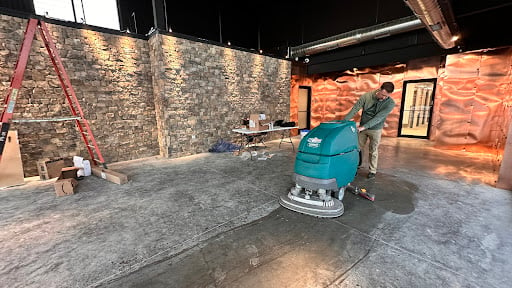
Super happy to discover they have rentals!! Made quick, efficient work of prepping a shop floor for staining. Rented the T300 and while small it was still mighty and the... read more
 Joslyn S.
DeNooyer Chevrolet – Marshall, Michigan PowerKleen has been excellent to work with from start to finish. Their customer service is top-notch, their parts selection is outstanding, and their technical support team... read more
 christian e.
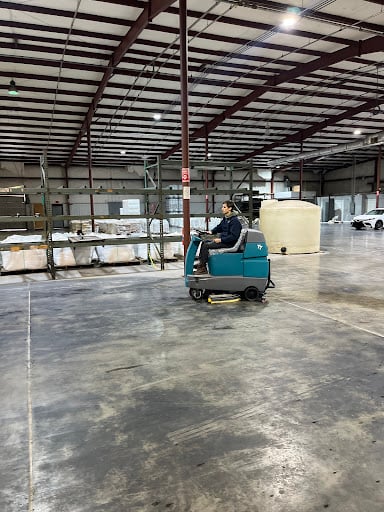
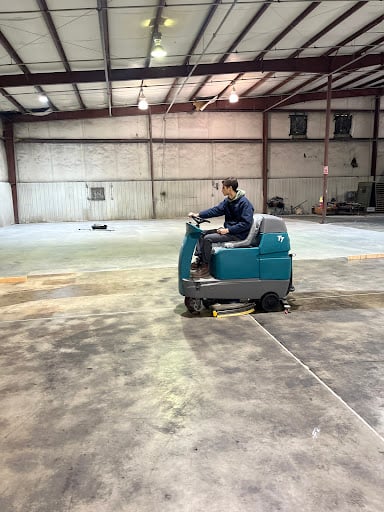
This is our first floor cleaner purchased for a 30,000 square foot building. We should have done this sooner. It came to us just as it was described. We... read more
 Jonathan B.
Our company purchased a T500e in June of 2022, because of the price and service we have since purchased 2 other machines for other locations that our company has in... read more
 Earl W.
We purchased a cylindrical floor scrubber from Erica and it was exactly as described. Her customer support was extremely responsive including after the sale. Would definitely buy from them again.
 Joe B.
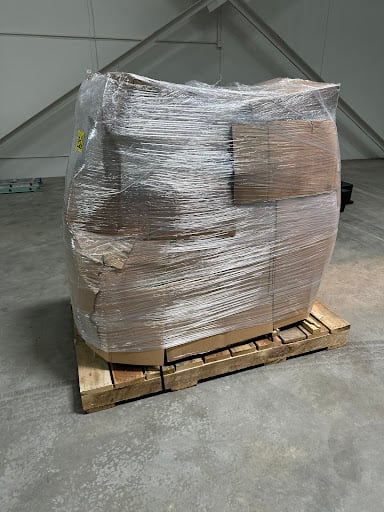
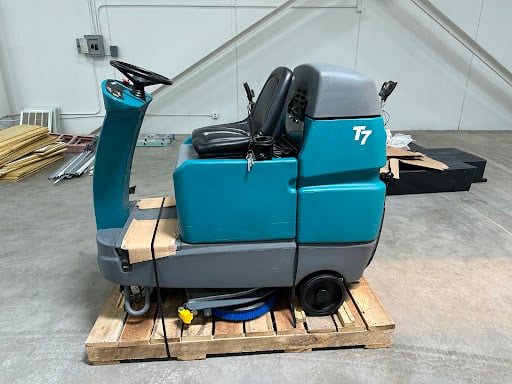
Erica and her team were amazing to deal with! Not only did they have our Floor Scrubber to us within 3 days but it was even better than we... read more
 Jared D.
la verdad quiero dar las gracias primeramente ala señorita Erika por todo también agradecerle al señor josias y a todo su equipo por entregar a tiempo los servicios aonque al... read more
 Rubén C.
This company is super responsive and the service is great! Any questions we have had have been answered with detail. Highly recommend!

 Ryan
RyanThe place I work for bought two refurbished t600e had a couple of issues, they sent someone with new parts and got them fixed right up! Highly recommended family owned... read more
 Josh C.
Purchased a floor scrubber for Erika at Robey Powekleen company. Excellent customer service and very knowledgeable of there machines. A small part broke on the machine during delivery and freezing... read more
 Richard S.
Our business bought a used floor scrubber from this family business and have been very pleased! We have now had the machine almost 6 months and our refurbished Nobles SS5... read more
 Joshua F.
Erica was great to work with on the sale and delivery was smooth and as expected. The equipment was excellent condition and has worked very well for us.
 James R.
We currently rent to own multiple machines with Robey's Powerkleen here in Madison Wisconsin and it's been the best experience as a business owner. We current clean over 15 garages... read more
 SCS L.
Very pleased with our experience purchasing a refurbished Nobles floor scrubber from PowerKleen. Would recommend and work with them again!
 Trent B.
"I recently purchased 2 machines, the sweeper scrubber machine, from Powerkleen company and had a fantastic experience. Erica was incredibly helpful and made the whole process smooth and easy. The... read more
 Adriatik S.
What a great company. Just received my used scrubber and looks like new. All parts, brushes, hoses, batteries are new and the machine is brand new clean. ... read more
 Ruben F.
Everything was so smooth! From the communication and to the delivery of the scrubber! Great company and would recommend to anyone looking for a floor cleaner!

 Allan M.

